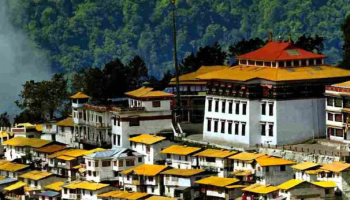
Mawlynnong Village Guide: Asia’s Cleanest Village and Nearby Attractions
Tucked away in green hills, which roll in Meghalaya, one cannot talk about Mawlynnong without mentioning that it is the cleanest village in Asia. Although the very title of the most excellent tidy village gives a lot of attention to Mawlynnong, the place is not really about an award or a label. What makes it so different from other villages is the way of life which is dominated by ideas like shared responsibility, respect for nature, and community values of long standing. This guide introduces the village, its culture, habits, history, and also, the other places around so that visitors can understand what it is that makes Mawlynnong more than just a pretty stop over.
Understanding Mawlynnong’s reputation
Mawlynnong has been a clean village for long and it is the product of a disciplined community which has been in operation for decades and not an externally imposed one. It is a village which works on the principle that cleanliness is the obligation of society. Every family is involved in the daily cleaning of the roads that run through the village, and garbage is sorted right where it comes from. All kinds of waste are used for composting but the non-biodegradable materials are disposed of in a way which does not harm the environment. People are advised not to smoke in public places, plastic usage is kept to a minimum, and places such as walkways, gardens, and sitting spaces which are open to the public are being taken care of by the people collectively.
There is no money to be made from the cleanliness that is kept through village values rather than a system of punishments. Cleanliness is inculcated in the children from their tender age and village elders are always there to remind the children of those practices. As a result, it is a village which looks ordered, peaceful, and naturally hospitable and there is no visible policing or strict signage.
Also Read: Dawki River and Umngot
Location and landscape
The village of Mawlynnong is located in East Khasi Hills district not far from the India–Bangladesh border. Dense forests envelope the village together with small streams and the southern plateau of Meghalaya is characterized by limestone formations. The region receives a lot of rain and this makes it very green and rich in terms of soil fertility. People build their homes traditionally out of natural materials and mostly these homes have a garden that is well looked after and is filled with ornamental plants.
The design of the village is such that the residents have no option but to walk. Stone tracks meander through houses clusters thereby leading to not only the farmlands but also to community spaces and viewpoints. The silence of the absence of vehicle engines is something that also contributes to the serene atmosphere and thus, making Mawlynnong a perfect spot to slow down and watch the daily life of the village.
The culture of the Khasi region including that of Mawlynnong is based on a matrilineal system which recognizes that lineage as well as inheritance should be passed through females. The youngest daughter is the one who inherits the property traditionally and the women become the nucleus of the decision-making process in the family as well as in the community. This social structure equips people with the skills for household management and community gathering which are then influenced in a subtle but meaningful way by the matrilineal system.
Christianity is the major religion and a beautiful church is going down the middle of the village. The religious beliefs are in harmony with the native ones and they strengthen moral principles of discipline, helping, and taking care of one another. Tourists may note the absence of vibrant commercial activities; unregulated tourism has been consciously limited by Mawlynnong in order to preserve its nature.
Mawlynnong nowadays is viewed as a sustainable model of village life and is the subject of many studies. Its sanitation methods are far ahead of national cleanliness campaigns and it is local people’s initiative that made it happen rather than policy mandates. Some of the environmental-friendly measures that are in place are rainwater harvesting, natural drainage systems, and bamboo consumption for infrastructure, which together show the village’s keen understanding of environmental balance.
For the tourists, the village provides some very real and practical lessons in environmental sustainability. They come across that simplicity in actions, e.g. by adopting the composting process, minimizing the amount of waste, or even by taking care of the common places, has already been realized and forms an integral part of daily routines in the village.
The living root bridge which is situated in the next area of Riwai is one of the most popular local attractions of Mawlynnong. The bridge has been grown over a span of decades from the aerial roots of the rubber trees and extends over a small stream and thus, it is getting stronger every year. Unlike a concrete bridge, the living root one requires a lot of patience, care, and long-term planning.
The small trek leading to the bridge goes through forests and traditional ecological knowledge of the Khasi people is imparted to the visitors through it. Visitors should perform their duty of treating the structure gently as it is still a functional crossing for local residents.
One more attraction that is worth talking about is the Sky View Point, a bamboo structure that gives out a bird’s eye view of farmlands as well as the plains of Bangladesh besides the countryside. From the summit, visitors have a chance to see a very sharp change from Meghalaya’s hilly green terrain to the more level one across the border. The villagers take care of the viewpoint and it is a reflection of their commitment to environmentally friendly construction, using renewable materials, in the village.
This lookout point is especially beautiful on a bright day when the differences between the landscape and the plantings become very clear.
Also Read: Living Root Bridges of Meghalaya
Around Mawlynnong are small waterfalls as well as woods’ trails, which become very bright during the monsoon and even after it. These are the places that most people do not know about and can be reached only through a short walk with the help of guidance from the villagers. They are in total contrast to the major waterfalls that get lots of tourists and thus, are still very calm and have gone almost unspoiled, which in turn, attract those who want to have a more intimate experience of Meghalaya’s nature.
Besides safety, exploring these trails together with a local guide has other advantages, that is, it gives more income to the village and makes sure that visitors are respecting the environment.
The best time to visit Mawlynnong is certainly from October to April when rain is not heavy and the paths for walking are safe. However, the monsoon months bring the intense greening of the country but at the same time, trails become slippery and the visibility is limited. Visitors need to wear comfortable walking shoes, take along a reusable water bottle, and dress modestly so as to conform to local customs.
People are allowed to take pictures but it would be proper if they seek permission before clicking the photographs of individuals or private homes. Those who behave loudly and also throw litter are strongly discouraged because their actions disrupt the peacefulness of the village.
Those who consider staying in Mawlynnong have several options to choose from. There are small homestays, run by local families, where one can find simple rooms and enjoy home-cooked meals. People who stay overnight get the opportunity of firsthand experience of the early mornings, the evening prayers, and the quiet rhythm of village life. The village may be short on electricity and internet access, but that usually becomes a part of the experience, not a drawback.
Also Read: Meghalaya in Monsoon
It is not really the clean village that is the real success of Mawlynnong. What keeps the village alive is the cleanliness being the reflection of the dignity, cooperation, and respect for the shared spaces. For the tourists, the village is a chance to see a lifestyle where sustainability is natural and the good of the community comes first.
Going to Mawlynnong is not about checking off a famous spot on the list; it is about realizing how thoughtful living can change both the environment and the society. In a world that is more and more being destroyed by environmental neglect, this tiny village in Meghalaya has the solutions that are far from it.
Book Now
with Your Trusted
Travel Partner
Travelangles.in!!
Discover Northeast India with ease – well-planned itineraries, trusted cabs, and comfortable stays, all managed by TravelAngles for a worry-free holiday
Your Journey,
Our Care !
From arrival to departure, TravelAngles ensures every detail of your trip is seamless — reliable drivers, handpicked stays, and experiences you’ll remember forever.

Related Tours
Meghalaya and Kaziranga Tour 7D/6N
Kaziranga with Warichora and Krempe Chempe 11D/10N
Meghalaya and Bhutan Tour 12D/11N
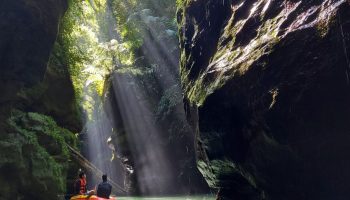
Meghalaya (Wari Chora) 9D/8N
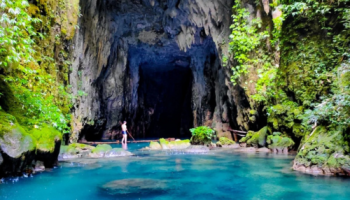
Meghalaya (Krem Chympe) 8D/7N
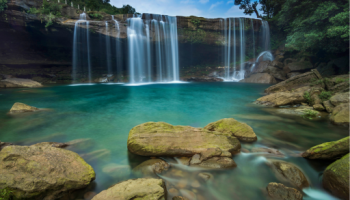
Mesmerizing Meghalaya Tour 7D/6N
Warichora with Krem Chympe and Kaziranga 12D/11N