10 Must-Visit Monasteries in Bhutan
Bhutan’s monasteries are stories, alive and breathing. Every monastery has its own history, its own way of doing things, its own feeling in the air. If you love trekking, crave new cultures, or just want a taste of the Himalayas’ quiet magic, these places pull you right into the heart of Bhutan’s identity.
Here’s a closer look at 10 monasteries you shouldn’t miss. You’ll find big names like Tiger’s Nest, but also a few hidden spots that are just as unforgettable.
1. Paro Taktsang (Tiger’s Nest Monastery)
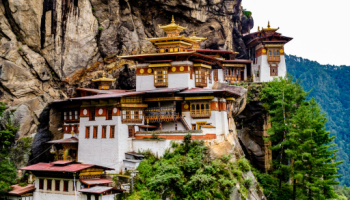
Why go? Tiger’s Nest isn’t just Bhutan’s most famous sight—it’s the one you imagine when you picture the country. The monastery looks like it’s clinging to the cliff, 3,000 feet above Paro Valley. Legend says Guru Padmasambhava meditated here back in the 8th century, and the original caves are still tucked inside.
What makes it special? First, the hike. It’s tough enough to test you, but the views are completely worth it. Second, the spiritual pull. For centuries, people have trekked here to pray in the caves and chapels. And finally, the atmosphere—mist rolling in, prayer flags fluttering, ancient buildings perched right on the edge. No wonder everyone takes photos here. The real thing is even better.
- Punakha Dzong (Pungthang Dechen Phodrang)
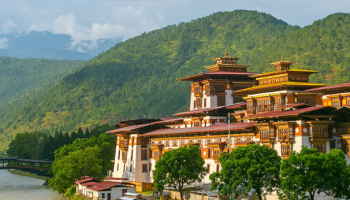
Why visit? Where two rivers meet, you’ll find Punakha Dzong. Some say it’s the most beautiful fortress monastery in Bhutan. The white walls, wooden bridges, and riverside setting make it look straight out of a painting.
Why it stands out: It used to be Bhutan’s capital up until the 1950s, so it’s packed with history. The woodwork and red roofs show off classic Bhutanese design. Unlike some mountain monasteries, this one’s easy to explore—suitable for all ages. If you come in spring, the blooming jacaranda trees light up the whole place.
3. Tashichho Dzong, Thimphu
Why go? Tashichho Dzong is more than a monastery—it’s where Bhutan’s government works and where big national events happen. Sitting by the Thimphu River, it brings together the country’s spiritual and official life.
Why people love it: Come in the evening, and the place glows with lights. Monks and government officials share the grounds, which makes it feel alive and important. And if you visit during the Thimphu Tshechu festival, you’ll see Bhutan at its most colorful. If you want to get a sense of modern Bhutan, start here.
4. Gangteng (Gangtey) Monastery – Phobjikha Valley
Why visit? Gangteng Monastery overlooks the quiet Phobjikha Valley—peaceful, wide open, and stunning. In winter, rare black-necked cranes make this valley their home, so the place feels both wild and sacred.
Highlights: You might spot these cranes if you come at the right time. It’s never crowded, so you get the valley almost to yourself. Local festivals keep the culture alive, and the scenery is untouched. Perfect for anyone who wants to mix nature and spirituality.
Also Read: Paro vs Thimphu vs Punakha
Trongsa Dzong stretches across a ridge, watching over central Bhutan like a guardian. The royal family’s history is tied to this place—it played a big part in bringing the country together.
Why it matters: The views over the Mangde River valley are something else. It’s one of the biggest dzongs, full of corridors, temples, and watchtowers. Every Bhutanese king served here before taking the throne, so it’s the heart of Bhutanese royalty. If you want to see how Bhutan’s politics and religion connect, this is the spot.
Why visit? Kurjey Lhakhang is among Bhutan’s holiest sites. Inside, there’s a rock believed to hold Guru Rinpoche’s body imprint. The three temples were built at different times, so you feel the layers of history.
What makes it special: Bhutanese families make pilgrimages here. The whole place feels quiet and perfect for reflection.
7. Jambay (Jampa) Lhakhang, Bumthang
Why go? Jambay Lhakhang might be one of the oldest temples in the country, dating back to the 7th century. It’s especially known for its annual night festival, where dancers in masks keep the energy high until dawn.
Why it stands out: It’s a direct link to Bhutan’s earliest Buddhist stories. The night festival transforms the place—lanterns, drums, and dancing. Inside, it’s quiet and never packed, so you can wander and soak up the feeling. You can almost touch Bhutan’s spiritual beginnings here.
Chimi Lhakhang honors Drukpa Kunley, the “Divine Madman”—a legendary monk famous for his wild, unconventional way of teaching. Couples from all over come to ask for blessings for children and happiness.
Why you’ll remember it: The temple is full of local legends and a playful spirit. Getting there means a pretty walk through fields and farms, and once you arrive, the blessing ceremonies are warm and welcoming. It’s joyful, unique, and rich with Bhutanese culture.
Also Read: Best Time to Visit Bhutan
9. Rinpung Dzong (Paro Dzong)
Rinpung Dzong towers over Paro, perched above the river like it owns the place. It’s not just another pretty building, either — monks and local officials work side by side here, just like in other major dzongs.
Here’s what makes it worth your time:
- It’s easy to get to, and you can swing by on the same day as Tiger’s Nest.
- The courtyards and murals are pure Bhutanese art — every corner tells a story.
- If you’re around during Paro Tshechu, you’ll see one of the country’s biggest festivals in full swing.
- Lovers of architecture and culture will feel like they’ve stepped into a living museum.
Why Go?
Just outside Thimphu, Tango and Cheri monasteries offer a mix of peace, tradition, and a bit of adventure. Both sit at the end of short hikes, so you get a dose of nature with your culture.
Why people keep coming back:
- They’re close to the capital, but feel a world away.
- The hikes are just right for a half-day trip — not too tough, but rewarding.
- You get a real look at monastic education and retreat life.
- Tango sits in a particularly scenic spot. Cheri is older, with an almost ancient vibe.
How to Get the Most Out of Your Visit
Respect Local Customs
Dress modestly, take off your hat and shoes when asked, and check the rules before snapping photos.
If you time it right and catch a tshechu, you’ll be swept up in dance, music, and rituals that really show what Bhutan is all about.
These monasteries were built in spots chosen for their energy — hilltops, riverbanks, cliffs. Slow down and soak it all in.
Also Read: Bhutan visa requirements and permits
Final Thoughts
Bhutan’s monasteries aren’t just tourist stops — they’re the heartbeat of the country. Each one carries centuries of devotion and stories of spiritual masters.
Book Now
with Your Trusted
Travel Partner
Travelangles.in!!
Discover Northeast India with ease – well-planned itineraries, trusted cabs, and comfortable stays, all managed by TravelAngles for a worry-free holiday
Your Journey,
Our Care !
From arrival to departure, TravelAngles ensures every detail of your trip is seamless — reliable drivers, handpicked stays, and experiences you’ll remember forever.