Bhutan Tour Packages: Complete Cost Breakdown and Itinerary Planning
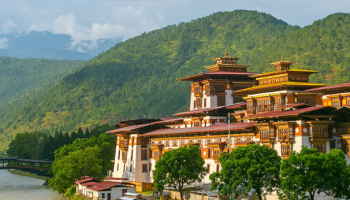
Bhutan, the Land of the Thunder Dragon, is a unique country that guarantees experiences that you can’t get anywhere else. Renowned for its philosophy of Gross National Happiness, breathtakingly beautiful monasteries perched on the sides of cliffs, and pristine natural beauty, this small kingdom in the Himalayas has something that other tourist destinations lack. It is essential to understand the costs involved and the realistic preparation of your itinerary when planning this trip. This small kingdom has a unique tourism policy, unlike any other country, that directly influences the cost of your trip to Bhutan.In this all-encompassing book based on our deep travel knowledge and study, learn everything you need to know to get ready for your dream vacation. We have made sure that you have all the information you need about prices and plans.
How Bhutan’s Unique Travel Rules Work
Before you check the prices, you have to the Sustainable Development Fee (SDF) is the most important rule Bhutan has for guests from other countries. Bhutan’s “High Value, Low Impact” tourist policy protects its nature, culture, and traditions. Visitors now pay the SDF instead of a daily fee that covered everything, which was the rule before 2022.For visitors from most countries, excluding India, SDF is $100 USD per person, per night, or $200 USD if you book through an international agent.For Indian passport holders
The SDF is much lower, presently set at ₹ 1,200, approximately $14.50 USD per person, per night. Collected money from the SDF is directly used to fund free education and healthcare for its citizens, build infrastructure, and support environmental protection.That means your travel cost contributes directly to the country’s well-being.
Also Read: Best Time to Visit Bhutan
A complete Bhutan tour package cost can be broken down into four main parts: SDF, accommodation, travel (flights/ground), and activities/guides.
1: The Sustainable Development Fee, SDF.
As stated, this is your non-negotiable daily rate to be paid directly to the government. This is an amount apart from what you will spend on hotels, food, or internal travel. For example, a tourist from the US or UK travelling for ten days must include in their budget $1,000 USD just for the SDF part itself
2. Accommodation Costs
The cost of your stay is completely dependent on how much luxury you desire. Budget or Standard (3-Star) means comfortable, locally run hotels and guesthouses where you should expect to pay between $50 and $80 USD per night for a double room. Mid-range (4-star) stays offer excellent service, better locations, and modern amenities, typically ranging from $100 to $200 USD per night. For luxury (5-star and up), Bhutan has world-class resorts with high-end services, which range from $350 USD upwards to over $1,000+ USD per night. Note: The government sets minimum quality standards, ensuring that even budget hotels meet basic cleanliness and safety requirements.
3. Travel and Transportation Costs
- International Flights
Paro is the only international airport in Bhutan. The flights are expensive because they are limited to two airlines and sometimes have difficult flight paths. Round-trip costs from Delhi, Bangkok, or Kathmandu can range from $500 to $800 USD. It’s highly recommended to book well in advance.
- Ground Transportation
Once on the ground, most travel between main cities like Paro, Thimphu, and Punakha is done by private car. A private car with a driver is a must for touring. This service, including the driver’s accommodation and fuel, costs about $80 – $120 USD per day for a good vehicle. This private service is the most common and comfortable way to explore the country.
Also Read: 10 Must-Visit Monasteries in Bhutan
4. Guide, Entry Fees, and Food
While the SDF does not include guide fees, it is highly recommended that a licensed local guide be employed.
- A licensed guide is very helpful for planning, translating, and going over local details. They usually cost $40 to $60 USD a day.
- Monasteries and attractions have different entry fees. It can cost about $10 to $15 USD to get into some of the big castles (Dzongs).
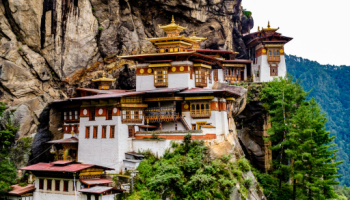
- The hike up to the famous Tiger’s Nest Monastery of Taktshang Goemba requires a separate permit and is usually around $20 USD.
- Regarding food, Bhutanese food is delicious and affordable; comfortably budget $25 – $50 USD per person per day for meals at mid-range restaurants.
Sample 7-Day Itinerary and Approximate Overall Cost
A seven-day tour is the most popular choice, providing enough time to explore the essential cultural triangle of Paro, Thimphu, and Punakha.To estimate the total ground cost for a non-Indian visitor who will occupy mid-range hotels, we can combine the essential daily fees.SDF alone for 7 days is $700 USD at $100 per day.
➔ Accommodation
For accommodation, budgeting at $150 per night for a nice 4-star hotel is an additional $1,050 USD. On top of this, there is ground transportation, a private car and driver for about $100 a day, adding up to $700 USD.
➔ Required expense
Getting a qualified guide, licenses, and paying entry fees costs about $70 a day, which adds up to $490 USD.
➔ Food and Other Things
Finally, adding $40 per day for food and other bills adds another $280. So, for a nice seven-day trip, the total expected ground cost not including flying would be about $3,220 USD.. This will help you clearly define what your budget will be for the time spent in Bhutan.
Also Read: Bhutan visa requirements and permits
Itinerary planning tips from our experience.
We recommend a combination of cultural landmarks and environmental hikes for a maximum experience.
❖ A first-time visitor should focus on the West, including Paro, Thimphu, and Punakha. These places have the right mix of history, contemporary life, and Himalayan beauty. The Tiger’s Nest Hike is hard and takes up a whole day, but the cliffside monastery is spectacular.
❖ Plan this trek from the middle of vacation after acclimatising to the altitude. Thimphu and Paro are between 7,300 and 7,700 feet high, so they need to adjust to their altitude. Take it easy and drink a lot of water on the first day to get used to it.
❖ The best weather and brightest skies occur in Spring (March–May) and Autumn (September–November). Avoiding the wet season is a good idea because it rains a lot and is cloudy. Final Thoughts on the Budget
A trip to Bhutan isn’t just a regular vacation; it’s an investment. The higher price is meant to keep the country’s nature and culture clean and untouched by large numbers of tourists. When you make a budget, you should always add 10% to 15% of your total to cover unplanned costs, special gifts, tips for great service, and other personal costs. Getting a grip on the Long-Term
Also Read: Paro vs Thimphu vs Punakha
Book Now
with Your Trusted
Travel Partner
Travelangles.in!!
Discover Northeast India with ease – well-planned itineraries, trusted cabs, and comfortable stays, all managed by TravelAngles for a worry-free holiday
Your Journey,
Our Care !
From arrival to departure, TravelAngles ensures every detail of your trip is seamless — reliable drivers, handpicked stays, and experiences you’ll remember forever.